If you’re weighing cosmetic dentistry options in Tehachapi, CA, this article shows which treatments fit common goals—whitening, veneers, implants, and bite-focused restorations—and how local providers tailor care for comfort and lasting results. You can expect clear comparisons of procedures, typical recovery, and what matters most for durability and appearance so you can pick the right path for your smile.
A friendly neighborhood dental expert explains simple differences between quick cosmetic fixes and more advanced restorative solutions, plus what happens during a consultation and how Tehachapi residents can access modern, patient-centered care. Practical tips on cost factors, recovery, and long-term maintenance make it easy to plan your next step toward a more confident smile.
Cosmetic dentistry focuses on improving tooth appearance, alignment, color, and proportion. Patients in Tehachapi often seek solutions that balance aesthetics with function, comfort, and long-term oral health.
Cosmetic dentistry corrects visible issues to create a more attractive, natural-looking smile. Procedures include teeth whitening for stained enamel, porcelain veneers to reshape and mask defects, and composite bonding to repair chips or gaps.
Dental crowns restore both appearance and strength after large fillings or root canal therapy. Clear aligners and orthodontics straighten teeth discreetly, improving bite and smile symmetry.
Implant-supported crowns replace missing teeth to restore chewing function and prevent bone loss. Dentists also offer gum contouring to reduce a “gummy” smile and lengthen short teeth.
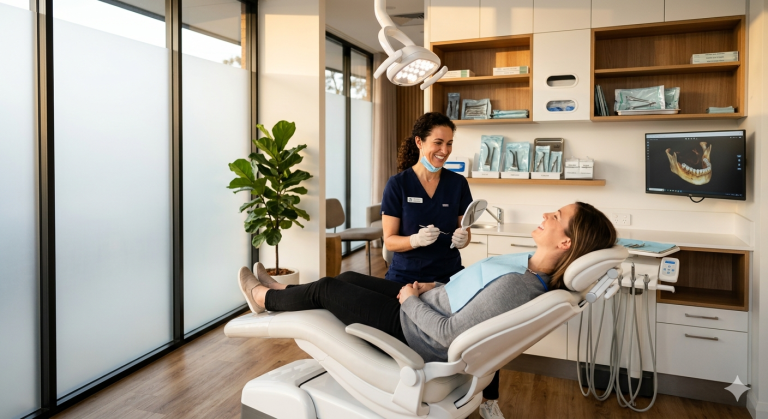
Most treatments begin with a digital smile consultation and intraoral photos to plan predictable outcomes. Local anesthesia or sedation options help keep procedures comfortable.
Patients worry about staining, chips, gaps, crooked teeth, and uneven gums—each has specific treatments. Professional whitening targets intrinsic and extrinsic stains that over-the-counter products can’t fully remove.
Veneers and bonding fix shape and size concerns without moving teeth; orthodontics addresses alignment issues that affect function. Missing teeth get replaced with implants, bridges, or removable partials depending on bone health and budget.
Gum recession and uneven gum lines receive grafts or contouring, improving both health and smile balance. Dentists evaluate bite forces to prevent restoration failure and recommend nightguards when grinding exists.
Longevity depends on material choice and oral hygiene; porcelain lasts longer than composite on average. Providers discuss realistic expectations, maintenance, and costs during treatment planning.
General dentistry focuses on preventing and treating disease—cleanings, fillings, root canals, and exams keep teeth healthy. Cosmetic dentistry prioritizes appearance but often overlaps with general care because a healthy foundation is essential for lasting aesthetic results.
A cosmetic visit emphasizes design: shade matching, tooth proportions, and digital mock-ups. General dental care identifies decay, gum disease, and structural problems that must be fixed before cosmetic work proceeds.
Insurance commonly covers general treatments for health reasons but may not cover elective cosmetic procedures. Dentists provide treatment sequencing and payment options so patients can address health issues first, then pursue cosmetic goals comfortably.
Tehachapi patients commonly choose treatments that brighten teeth, correct shape, and fix small chips or gaps. These options balance speed, durability, and cost to meet different lifestyles and cosmetic goals.
Professional in-office whitening uses concentrated peroxide gels activated by light or heat to lift deep stains in one visit. Results often show several shades of improvement immediately; a typical session lasts 60–90 minutes and includes a protective barrier for gums.
Take-home kits from the dentist use custom trays and lower-concentration gels for gradual whitening over 1–2 weeks. They provide more control and are ideal for maintaining in-office results or treating sensitivity-prone teeth with desensitizing formulations.
Over-the-counter strips and toothpastes can help with mild surface stains but rarely match professional outcomes. Patients with restorations, intrinsic discoloration, or gum disease should consult the dentist first to choose the safest, most effective approach.
Porcelain veneers are thin shells bonded to the front of teeth to change color, shape, and minor alignment. They require two to three visits: consultation, tooth preparation with minimal enamel removal, and final bonding of custom-made veneers.
Veneers resist staining and can last 10–15 years with good oral hygiene and regular dental visits. They work well for uneven teeth, permanent discoloration, or when multiple cosmetic issues need a single solution.
Candidates undergo digital imaging or mock-ups to preview results. The dentist will discuss alternatives like crowns or bonding when veneers are not the best fit due to bite concerns or extensive tooth damage.
Dental bonding uses tooth-colored composite resin to repair chips, close small gaps, and reshape teeth in a single visit. The dentist roughens the tooth surface, applies adhesive, sculpts the resin, and hardens it with a curing light.
Bonding is conservative and cost-effective compared with veneers, though it stains more easily and typically lasts 4–8 years. It suits patients seeking quick fixes or those not ready for irreversible enamel removal.
Maintenance includes avoiding stain-causing foods and good oral hygiene; occasional polishing or touch-ups can extend the appearance. The dentist will evaluate bite and restoration placement to ensure durable, natural-looking results.
Restorative treatments repair damage and restore chewing, speech, and appearance. They focus on tooth strength, bite alignment, and long-term oral health while matching natural tooth color and shape.
Tooth-colored (composite) fillings bond directly to tooth structure using resin materials that match enamel shades. The dentist removes decay, cleans the cavity, and layers the composite, curing each layer with a light to build strength and contour. This preserves more healthy tooth than traditional amalgam and minimizes visible metal in the smile.
Composites are ideal for small to moderate cavities, chipped edges, and replacing old fillings. They can be done in one visit, typically 20–60 minutes depending on size. Patients should expect sensitivity for a few days; flaring pain or bite changes warrant a quick return visit.
Care involves normal brushing, flossing, and avoiding very hard foods for the first 24–48 hours. With good oral hygiene, composites often last 5–10 years; regular exams let the dentist monitor wear or marginal breakdown and plan timely replacement.
Crowns fully encase a damaged or weakened tooth to restore function, shape, and appearance. Indications include large decay, root-canal-treated teeth, fractured cusps, or teeth with extensive wear. Crowns distribute bite forces and prevent further fracture.
Modern crowns use porcelain-fused-to-zirconia, full ceramic (e.g., lithium disilicate), or zirconia alone for strength and lifelike translucency. The typical process takes two visits: first for preparation and provisional crown, second for final fitting and cementation. Digital impressions and same-day milling (CAD/CAM) shorten timelines in many Tehachapi clinics.
Post-placement, patients may notice improved bite and esthetics; mild sensitivity can occur. With proper care—brushing, flossing under the crown margin, and avoiding bruxism—crowns commonly last 10–15 years or longer before needing replacement.
A dental bridge replaces one or more adjacent missing teeth by anchoring to neighboring teeth or implants. Traditional bridges use crowns on abutment teeth with a pontic (false tooth) between them. Implant-supported bridges avoid altering healthy teeth and provide superior bone preservation.
The process begins with evaluation: X-rays, bite records, and shade selection guide planning. For traditional bridges, the abutment teeth are prepared like crowns; impressions and temporaries follow. Implant bridges require surgical placement and healing time before the prosthetic phase.
Bridges restore chewing efficiency, speech, and facial support. Maintenance includes meticulous cleaning beneath the pontic and routine dental visits. Lifespan varies: traditional bridges often last 5–15 years; implant-supported bridges can last longer with good hygiene and periodic professional care.
These options address significant tooth loss, widespread cosmetic concerns, and major alignment issues with predictable, long-term results. They prioritize function, appearance, and patient comfort using modern techniques and materials.
Dental implants replace missing teeth by anchoring a titanium post into the jawbone, then attaching a custom crown, bridge, or denture. This restores chewing function and helps preserve bone by transmitting forces similar to natural tooth roots.
Candidates need sufficient bone volume and good oral health; bone grafting can augment the ridge when needed. Implant treatment typically involves planning with CBCT imaging, surgical placement, a healing period for osseointegration (usually 3–6 months), and final prosthetic restoration. Immediate-load implants are an option for select cases to reduce time without teeth.
Maintenance includes routine hygiene, periodic professional cleanings, and avoiding heavy, damaging habits. Success rates exceed 90% when performed by experienced teams, and implants can last decades with proper care.
A full smile makeover combines multiple procedures—veneers, crowns, implants, whitening, and gum contouring—to address color, shape, alignment, and bite in a coordinated plan. The process starts with a comprehensive exam, digital smile design, and mock-ups so patients preview expected outcomes.
Treatment sequencing matters: structural issues (implants, crowns) come first, followed by cosmetic refinements (veneers, whitening). Minimally invasive porcelain veneers correct chips and shape; crowns restore severely damaged teeth. Soft-tissue procedures adjust gum lines for symmetry and improved tooth proportions.
Cost, timing, and maintenance vary by case; clinicians provide phased plans to match budgets and timelines. The team emphasizes conservative choices that preserve tooth structure and deliver natural-looking results.
Orthodontics corrects misalignment that affects appearance, speech, chewing, and long-term tooth health. Options include clear aligners for mild-to-moderate cases and fixed braces for complex movements and bite correction.
Clear aligners offer discrete, removable treatment with regular aligner changes and digital tracking. They work well for crowding, spacing, and mild bite issues but require strong patient compliance. Traditional braces use brackets and wires to move teeth predictably, often finishing cases that aligners cannot.
Orthodontic planning assesses occlusion, jaw relationships, and facial balance, sometimes coordinating with restorative or surgical procedures. Retention after active treatment—fixed or removable retainers—prevents relapse and protects the investment in a straighter smile.
Tehachapi patients receive care that fits local needs, schedules, and budgets. Dentists here balance aesthetic goals with practical concerns like travel time, weather, and seasonal activities.
Local dentists begin with a detailed exam and digital imaging to map tooth position, bite, and bone structure. They discuss cosmetic priorities—whiter teeth, closed gaps, or reshaped front teeth—and recommend specific procedures such as porcelain veneers, composite bonding, or clear aligners based on those goals.
Clinics factor in the city’s elevation and dry climate when advising on procedures that affect saliva and sensitivity. For example, dentists may choose less-desiccating polishing methods and prescribe fluoride gels to reduce post-whitening sensitivity. They also coordinate multi-step treatments so appointments fit local commuting patterns and weekend availability.
Tehachapi residents who bike, ride ATVs, or work outdoors get tailored advice about mouthguards and timing of elective treatments. Dentists assess habits—tobacco use, coffee or red wine consumption, and nighttime teeth grinding—to choose durable materials and realistic color matches.
Medical history and periodontal health guide choices: moderate gum recession might steer a dentist away from long veneers and toward conservative bonding or gum grafts first. They prioritize minimally invasive options when bone or gum tissue limits implant placement, and they present staged plans to maintain function during treatment.
Local practices offer several payment paths: in-office payment plans, third-party medical credit, and membership plans for uninsured patients. Typical in-house plans split costs across 3–12 months with no-interest options for shorter terms, while third-party lenders provide 6–24 month plans that often include promotional interest rates.
Dentists present cost comparisons—e.g., veneers versus bonding versus whitening—showing initial price, expected lifespan, and maintenance costs. They also provide written treatment agreements outlining remaining balances, insurance estimates, and follow-up care so patients can schedule work around income cycles like seasonal jobs or monthly pay periods.
The consultation outlines the patient’s current dental health, desired smile changes, and a clear plan with costs and timeline. It focuses on examination findings, treatment options, and steps for recovery and maintenance.
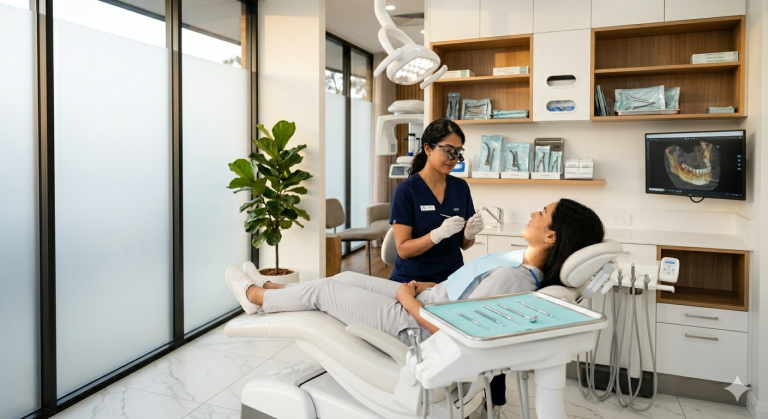
The dentist performs a focused oral exam, checking teeth alignment, enamel condition, gum health, bite function, and existing restorations. Digital X-rays and intraoral photos are commonly taken to document issues like decay, bone levels, or hidden fractures.
They discuss cosmetic priorities directly with the patient: whether whitening, closing gaps, straightening, reshaping, or replacing missing teeth matters most. The clinician asks about lifestyle factors—coffee, tobacco, bruxism, and prior orthodontics—that affect outcomes and longevity.
A shade selection and mock-up (digital or temporary trial veneers) may be offered so the patient sees likely results. This realistic preview helps set expectations and adjusts goals before committing to irreversible steps.
The dentist translates the goals into a step-by-step plan listing procedures, sequence, and timing tailored to oral health needs. Plans specify which restorative materials (porcelain veneers, composite bonding, zirconia crowns), estimated treatment duration, and whether preparatory care—like gum therapy or fillings—is required.
Cost estimates and financing options are reviewed, with clear notes on what insurance may cover versus out-of-pocket cosmetic fees. The team schedules key appointments, explains anesthesia or sedation choices, and provides written consent forms outlining risks and alternatives.
Patients receive a timeline that separates diagnostic, preparatory, and definitive phases so they understand recovery windows and expected number of visits.
Post-procedure instructions focus on pain control, diet, and oral hygiene specific to the treatment performed. For example, after veneers patients get guidance on avoiding hard foods and using non-abrasive toothpaste; after whitening they learn sensitivity management and touch-up schedules.
Regular maintenance includes professional cleanings every 3–6 months and periodic checks of margins, bite, and restorations for wear or staining. The dentist recommends nightguards for bruxism and habit counseling when habits threaten restorations.
They also provide emergency contact procedures for chipping, loosening, or acute sensitivity and set expected timelines for follow-up visits to adjust and preserve the cosmetic result.
Renewing a smile can boost confidence and improve social interactions. Patients often report feeling more comfortable smiling in photos, at work, and in everyday conversation.
Improved oral health often accompanies cosmetic work. Procedures like crowns, veneers, and bonding can protect weakened teeth and make daily cleaning easier.
Many cosmetic treatments restore proper bite and chewing function. That relief can reduce wear on teeth and lower the risk of future dental problems.
Modern techniques prioritize comfort and speed. Minimally invasive options and local anesthesia help most patients complete treatment with little downtime.
Some cosmetic procedures also deliver long-term value. Durable materials and good preventive care can extend results for years, reducing the need for frequent repairs.
Financial options and staged treatment plans make care accessible. Patients can choose incremental improvements to match budgets and schedules.
Emphasizing preventive follow-up supports lasting outcomes. Regular checkups, simple hygiene, and timely repairs help preserve both appearance and function.
If questions arise or a personalized plan is desired, a consultation with a local Tehachapi cosmetic dentist offers tailored advice and next steps.
They can start by scheduling a consultation with a Tehachapi cosmetic dentist to review goals and expectations. A brief exam and photos help the dentist recommend realistic options like whitening, veneers, or clear aligners.
Patients often worry about cost and time. The clinic can explain phased treatment plans, financing, and what each visit entails so decisions feel manageable.
Comfort matters during any procedure. Modern offices use numbing, sedation options, and gentle techniques to reduce anxiety and discomfort.
A simple checklist helps prepare for the first visit:
They should expect a personalized treatment plan with clear steps and timelines. The plan will outline alternatives, risks, and expected results so patients can make informed choices.
Follow-up care preserves results. Routine cleanings, nightly retainer use if prescribed, and avoiding stain-causing foods extend the life of cosmetic work.
Contacting a local Tehachapi practice makes the process straightforward. Call or book online to ask questions, request a tour, or arrange a consultation and move toward a more confident smile.
This section outlines specific cosmetic dentistry options available in Tehachapi, typical treatment steps, costs and coverage, and comfort measures to help patients make informed choices.
Dentists often use porcelain veneers, composite bonding, and professional whitening to address these issues.
Veneers cover front teeth with thin ceramic shells for lasting color and shape changes; bonding uses tooth‑colored resin to repair small chips and reshape teeth in one visit.
Crowns restore larger breaks or worn teeth, while orthodontic options like clear aligners correct spacing and alignment before cosmetic finishing.
Veneers typically last 10–15 years and resist stains better than bonding, but they require enamel removal and higher cost.
Bonding is less expensive, usually completed in one appointment, and suits minor chips or gaps; it lasts 4–8 years and may discolor over time.
The dentist will weigh tooth health, desired longevity, budget, and how much enamel removal the patient prefers.
Professional in‑office whitening uses higher‑strength peroxide under supervision and is safe for most healthy teeth and gums.
Results vary: in‑office whitening commonly yields noticeable whitening that lasts 6–18 months with good oral hygiene and avoiding staining foods or tobacco.
Touch‑up kits or at‑home trays from the dentist extend results; whitening won’t change the shade of crowns or veneers.
The consultation starts with dental imaging, photos, and a review of medical and dental history to identify issues and goals.
The dentist discusses options, timelines, costs, and any preliminary treatments like gum contouring or orthodontics.
They provide a customized plan, often with digital previews or mockups, and schedule staged appointments to complete the makeover comfortably.
Most insurance plans do not cover purely cosmetic procedures such as veneers or whitening.
If a procedure also restores function—like crowns after trauma—insurance may cover part of the cost; benefits depend on the policy.
Dental offices in Tehachapi often offer payment plans, third‑party financing, and in‑office financing to spread costs over time.
Dentists provide topical numbing, local anesthesia, and nitrous oxide (laughing gas) to reduce anxiety and sensation during treatment.
For longer or more invasive procedures, oral sedation or IV sedation may be available and requires a pre‑appointment medical review.
The team typically offers a calm operatory, clear explanations, and breaks as needed to make each visit more comfortable.