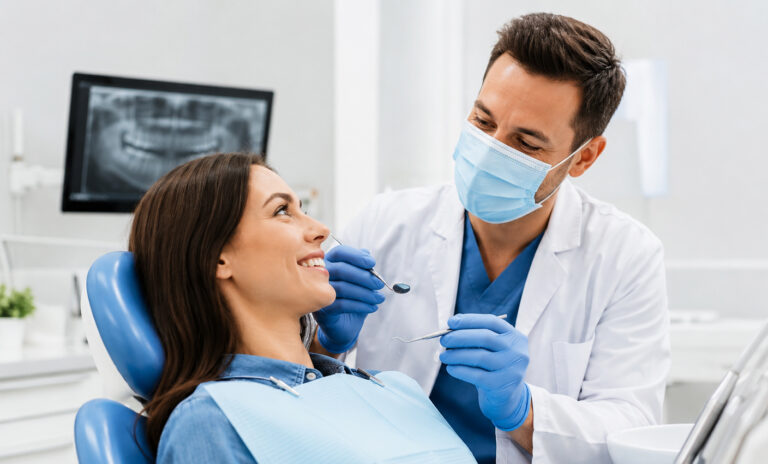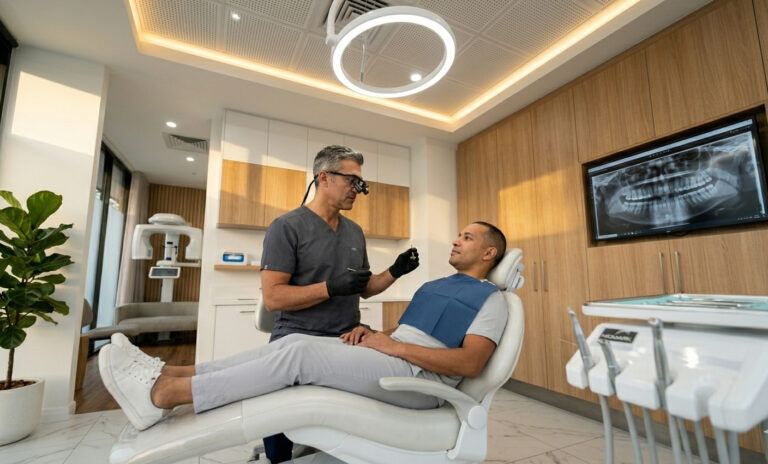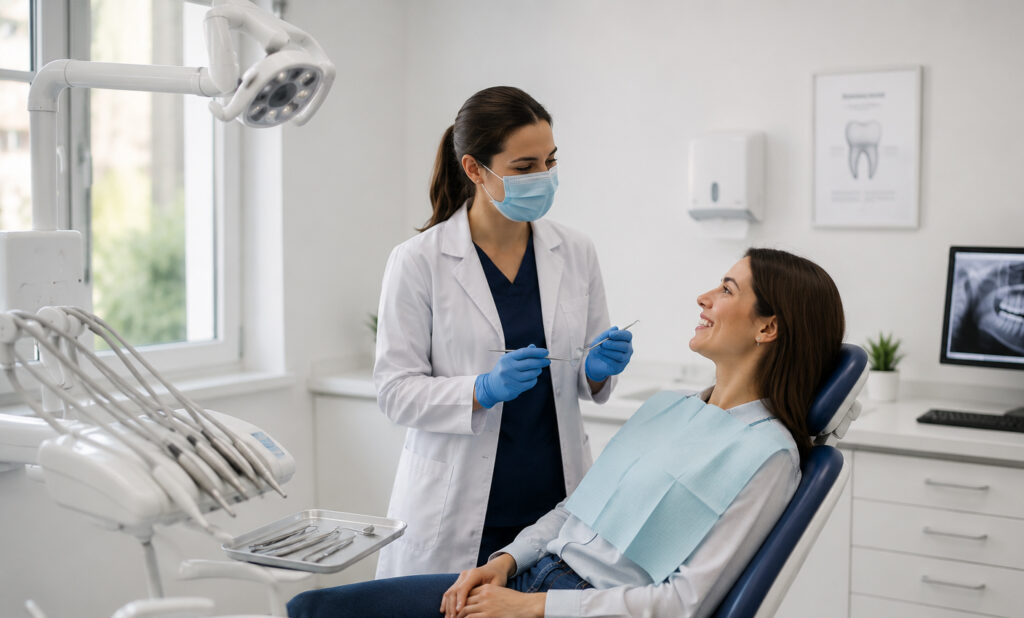
Thinking about Invisalign treatment in Tehachapi? They’ll find that clear aligners offer a discreet, modern way to straighten teeth with fewer office visits and predictable results. If you want a more comfortable, removable alternative to braces that local Tehachapi dentists customize to your smile, Invisalign often delivers visible improvement in months rather than years.
A trusted local practice will assess bite concerns, use digital scans and 3D planning to map treatment, and guide patients through each stage from aligner fitting to retention. Expect practical tips on daily wear, cleaning, costs, financing, and how to keep your new smile long-term as the article walks through what to expect and how to prepare.
Invisalign aligns teeth using clear, removable trays that patients wear most of the day. It combines digital planning, custom-made aligners, and periodic monitoring to move teeth predictably.
Invisalign treatment begins with a 3D digital scan of the mouth, creating a precise model of current tooth positions. The dentist or orthodontist maps a step-by-step treatment plan in specialized software, showing each small tooth movement from start to finish.
Custom clear aligners are fabricated from BPA-free, medical-grade thermoplastic. Patients wear each tray for about 20–22 hours daily and switch to the next tray every 1–2 weeks, depending on the provider’s plan. Regular checkups—usually every 6–10 weeks—allow adjustments and progress reviews. Attachments (tooth-colored bumps) and elastics may be used for more complex movements, and refinement trays can correct minor remaining issues.
Invisalign offers discrete aesthetics because the trays are nearly invisible, which appeals to adults and teens who prefer a low-profile option. Removability lets patients eat without restrictions and maintain normal brushing and flossing, reducing the risk of enamel stains and gum inflammation linked to fixed brackets.
Comfort improves for many patients since smooth plastic trays reduce soft-tissue irritation compared with metal wires and brackets. Treatment times can be similar or shorter for mild-to-moderate issues, though complex cases may still need conventional braces. Predictable digital planning and fewer emergency visits for broken wires also make appointments more convenient for busy schedules.
Ideal candidates have mild to moderate crowding, spacing, or bite issues—such as minor overbites, underbites, or crossbites. Adults and responsible teens who can commit to wearing aligners 20–22 hours daily see the best results. Patients with periodontal disease need gum health stabilized before starting, and those with very complex skeletal discrepancies may require braces or surgical options.
A consultation in Tehachapi with digital scanning and X-rays determines candidacy and estimated duration. The provider evaluates tooth movement needs, compliance likelihood, and any restorative work that could affect treatment. Clear communication about lifestyle, expectations, and follow-up availability ensures the chosen plan fits the patient’s daily routine.
Patients receive a focused evaluation that balances cosmetic goals, bite function, and oral health. The process identifies measurable starting points and timelines so patients know what to expect before treatment begins.
The initial visit typically lasts 30–45 minutes and starts with a conversational intake about concerns, medical history, and smile goals. The clinician performs a visual exam, photographs the teeth and face, and takes digital scans or impressions to capture tooth positions precisely.
They review bite relationships, gum health, and any previous orthodontic work. X-rays or CBCT imaging may be ordered when root positions or jaw structure affect treatment choices. Staff discuss insurance benefits, estimated out-of-pocket costs, and financing options in clear, itemized terms.
The team explains Invisalign mechanics—how aligners move teeth incrementally—and shows sample aligners and attachments. Patients leave with a printed or emailed summary of findings and next-step options, including scheduling for treatment planning or further diagnostics.
After data collection, the provider uses digital treatment-planning software to create a tooth-movement simulation, often called a “ClinCheck” or similar. This animation shows stage-by-stage tooth shifts, estimated duration, and when attachments or interproximal reduction (IPR) might be necessary.
The clinician adjusts the plan based on facial proportions, smile line, and functional needs rather than only on straightening visible teeth. They discuss specific goals—closing gaps, correcting rotations, or improving bite—and note realistic limitations like large jaw discrepancies that may require adjunctive treatment.
Patients receive a timeline with milestones, a schedule for aligner changes, and hygiene instructions tied to aligner wear. The plan also outlines follow-up intervals, emergency contacts for aligner issues, and retention strategies after active treatment to maintain results.
Patients learn the key stages, timeline, and what to bring to appointments so they feel prepared and confident from the first scan to the final retainer.
The process starts with a clinical exam and diagnostic records. The dentist or orthodontist in Tehachapi will take digital scans, intraoral photos, and bite records to map tooth positions precisely.
A 3D treatment plan (ClinCheck) shows predicted tooth movements and estimated duration. Patients review the plan with the provider, ask questions about attachments, elastics, or refinements, and approve the timeline before aligners are fabricated.
Aligners arrive as a sequential set; providers verify fit at the delivery visit. The clinician places any necessary attachments (small tooth-colored bumps) and demonstrates insertion, removal, and cleaning techniques. They also supply a schedule for wear—typically 20–22 hours per day—and initial care instructions.
Patients switch aligners every 1–2 weeks according to the provider’s plan. Each new tray applies gentle, targeted forces to teeth; mild discomfort or pressure for 24–72 hours after a change is common and expected.
Eating and drinking habits change: remove aligners for meals, brush before reinserting, and avoid sugary or staining drinks while wearing trays. Speech may alter slightly for a few days, especially with upper trays, but most adapt quickly.
If attachments or interproximal reduction (IPR) are part of the plan, the clinician performs these in-office—IPR thins enamel between teeth to create space. Patients should track aligner numbers and report fit issues, persistent pain, or lost trays promptly to avoid treatment delays.
Regular check-ins occur every 6–10 weeks, though some clinicians offer remote monitoring via apps or photos. During visits, the provider assesses tooth movement, fit, and oral health, and approves the next series of aligners.
Refinements may be requested if movements deviate from the plan; these require new scans and additional aligners. Providers also check attachments, replace or adjust them if they’ve worn or fallen off, and perform IPR if needed later in treatment.
At the end of active alignment, the dentist fits retainers—either clear removable retainers or fixed bonded wires—to maintain results. The clinician outlines a retention schedule and follow-up cadence to protect the final alignment and long-term oral health.
Patients should expect discreet, removable aligners that require daily commitment and simple adjustments to routine. Most people find the aligners comfortable after a short break-in period and appreciate easy cleaning and flexible eating habits compared with braces.
Patients should wear aligners 20–22 hours per day to keep the treatment on schedule. They generally change to the next set every 1–2 weeks, depending on the orthodontist’s plan.
Initial discomfort usually appears as mild pressure for 1–5 days after switching trays. Over-the-counter pain relievers and cold soft foods can help during that brief period. If soreness persists beyond a week, the dental team should be contacted.
Store aligners in their case whenever they are removed to prevent loss or damage. Avoid heat sources like hot water or sunlight that can warp the plastic. Regular check-ins with the provider every 6–10 weeks help monitor progress and address fit issues quickly.
Patients remove aligners before eating or drinking anything other than plain water. Hot beverages and colored drinks can stain or deform trays, so drinking with aligners out is safer.
Brushing and flossing after every meal prevents food buildup and staining on teeth and trays. Rinse aligners under cool water and brush them gently with a soft toothbrush; avoid toothpaste that can be abrasive. Soak trays nightly with a manufacturer-approved cleaner or a dentist-recommended solution to remove bacteria and odors.
Carry a compact toothbrush, travel-size floss, and the aligner case when away from home. This routine keeps treatment discreet, reduces the risk of cavities, and helps aligners remain clear and comfortable throughout the day.
Tehachapi practices pair modern imaging and clear-aligner workflows with clinicians who know local patient needs. Patients benefit from faster diagnostics, more precise aligner fits, and providers experienced with varied cases from mild crowding to complex bite issues.
Clinics use intraoral scanners (e.g., iTero, 3Shape TRIOS) to capture high-resolution, full-arch digital impressions in minutes. Scans replace messy putty impressions, improve patient comfort, and create accurate digital models for treatment planning.
Those digital models feed into 3D software that simulates tooth movement and produces a series of custom aligners. The software allows clinicians to preview end results, adjust staging for attachments or interproximal reduction, and estimate treatment length. Digital records also make mid-treatment adjustments faster because new scans integrate with the original plan.
Benefits for patients include fewer office visits for impressions, clearer visualization of treatment goals, and better-fitting aligners that reduce sore spots. Practices often use these scans for long-term monitoring and to communicate expected outcomes with patients before aligners are made.
Local orthodontists and general dentists offering Invisalign in Tehachapi typically complete dedicated aligner training and maintain continuing education. Many attend Invisalign-specific courses and hands-on labs to learn digital treatment planning, attachment placement, and troubleshooting complex movements like rotations and extrusions.
Clinicians combine that formal training with day-to-day experience treating residents of the mountain community—addressing common local concerns such as limited clinic access and preference for fewer in-person visits. They coordinate care for teens and adults, manage compliance strategies (e.g., wear-time tracking, scheduled check-ins), and refer to specialists when necessary for multidisciplinary cases.
Patients can ask about a provider’s case portfolio, average treatment times, and how often they use digital rescans. Clear communication about costs, expected appointments, and retention plans helps set realistic expectations before treatment begins.
Patients should expect variable costs based on treatment complexity, length, and provider experience. Local factors like Tehachapi practice fees and lab costs affect final price, while insurance and financing can lower out-of-pocket expenses.
Many dental insurance plans offer partial coverage for Invisalign when classified under orthodontic benefits. Typical plans cover 25%–50% of orthodontic costs after deductibles, but yearly maximums often cap at $1,000–$2,000. Patients should ask their Tehachapi provider to submit a pre-authorization to confirm exact benefits before beginning treatment.
Medicaid and Medi-Cal rarely cover cosmetic orthodontics; however, coverage may exist for medically necessary cases like severe malocclusion. Flexible Spending Accounts (FSA) and Health Savings Accounts (HSA) reimburse eligible orthodontic expenses when documentation is provided. Keep copies of itemized treatment plans and receipts for claims and tax-advantaged account reimbursement.
Many Tehachapi dental offices offer in-house payment plans that split total cost over the treatment period with little or no interest. Third-party financing companies (e.g., CareCredit, LendingClub) provide 6–24 month interest-free options or longer-term plans with fixed interest rates; approval depends on credit score.
Providers often require a down payment ranging from 10%–30% of total cost, with the remainder billed monthly. Patients should compare APRs, late fees, and prepayment penalties. Request a written payment schedule and total payoff amount to avoid surprises and to plan finances around treatment milestones.
Proper daily habits and consistent follow-up keep teeth aligned and healthy after Invisalign. Patients should focus on retainer wear, oral hygiene, and regular dental checkups to preserve results.
After finishing Invisalign in Tehachapi, patients receive either clear removable retainers or bonded fixed retainers. They must wear removable retainers full-time for the first 2–3 months, then switch to nighttime wear as directed by the orthodontist. If a fixed retainer is placed behind the front teeth, avoid hard, sticky foods and use floss threaders or a water flosser to clean underneath.
Maintain a strict oral hygiene routine: brush twice daily with a fluoride toothpaste and clean between teeth once daily. Schedule a dental cleaning every 3–6 months depending on gum health. If a retainer cracks, warps, or is lost, contact the orthodontic office promptly to avoid relapse; many offices can fabricate a replacement quickly.
Long-term retention prevents teeth from shifting as the jaw and tissues continue to change with age. Most patients wear a retainer nightly indefinitely, while others use it several nights per week based on their habit and the orthodontist’s recommendation. Nighttime wear is simple: place the retainer in a labeled case before bed and rinse it each morning.
Keep retainers clean by rinsing after removal and soaking weekly in a denture or retainer cleaner; avoid hot water that warps plastic. Bring retainers to follow-up visits to verify fit, and document any changes in bite or spacing. If they no longer fit comfortably, schedule an appointment — timely adjustment or replacement preserves the investment in a straight smile.
A local, trusted dentist in Tehachapi understands the community and the unique needs of its patients. They know common lifestyle factors here—like outdoor work and active families—that affect oral health and treatment planning.
Experienced dentists use certified Invisalign providers and stay current with digital scanning and treatment-tracking tools. This expertise improves fit, shortens adjustment time, and reduces unexpected visits.
Patient comfort and clear communication matter. A trusted practice explains each step, shows realistic before-and-after examples, and answers questions about wear schedule, maintenance, and results.
Safety and continuity of care reduce risk. When complications or refinements are needed, a nearby provider can adjust aligners quickly and coordinate with other dental specialists if required.
Practical benefits include insurance coordination, flexible scheduling, and personalized financing. These reduce stress during treatment and help patients stay on track to finish their Invisalign plan.
Bold, simple checklist for choosing a provider:
They encourage readers to ask for a consultation to discuss goals, see candidacy for Invisalign, and review a personalized plan.
Patients in Tehachapi can begin Invisalign treatment with a simple, friendly consultation. The dentist reviews medical history, takes digital scans, and discusses goals in plain language.
Aligners fit comfortably and are removable for eating and brushing. They usually require fewer office visits than braces, which appeals to busy adults and teens.
Treatment length varies by case, commonly 6–18 months. The doctor provides a clear timeline and shows a digital preview of expected results.
Costs and financing options differ between offices. Many practices offer payment plans and accept most dental insurance to help make treatment manageable.
Daily wear—typically 20–22 hours—produces steady progress. The dental team checks alignment periodically and adjusts the plan if needed.
Common concerns about pain or speech changes are addressed up front. Most patients report mild soreness during tray changes and adapt quickly.
Schedule a consult to discuss candidacy, timelines, and payment options. The dental practice in Tehachapi welcomes questions and guides patients through each step with care.
This section answers specific cost, appointment, timeline, comfort, follow-up, and retention questions patients commonly ask about clear aligner treatment in Tehachapi, CA. It gives concrete ranges, typical steps at a first visit, expected treatment durations, short-term comfort tips, check-in schedules, and retainer plans.
In Tehachapi, clear aligner treatment usually ranges from $3,500 to $7,500 for most private-practice cases. Costs depend on complexity, number of aligner sets, whether attachments or interproximal reduction (IPR) are needed, and whether the case requires elastics or auxiliary appliances.
Insurance can cover part of the fee if orthodontic benefits apply; many practices accept flexible spending accounts (FSA) and payment plans. Specialist care (orthodontist vs. general dentist), use of branded Invisalign vs. other aligners, and the need for supplementary procedures (extractions, restorations) will raise total costs.
At the initial consultation, the clinician reviews dental and medical history, performs an oral exam, takes digital scans or impressions, and takes photos and X-rays as needed. They discuss goals, create a preliminary treatment plan, and provide a written estimate and timeline.
Most patients do not need a referral to see an orthodontist or an aligner-trained dentist in Tehachapi. If a referral is required by an insurance plan, the practice staff will usually help with paperwork.
Mild crowding or minor spacing commonly resolves in about 4 to 8 months with consistent wear. Cases with moderate crowding, rotations, or bite correction typically take 9 to 18 months.
Complex cases that require tooth movements in three planes, bite opening, or staged surgical/orthodontic coordination can take 18 months or more. Treatment length depends heavily on patient compliance and the precision of the initial digital setup.
Most patients notice a slight lisp for a few days, which usually resolves as the tongue adapts within 1–2 weeks. Aligners must be removed for eating; brushing before reinserting is recommended to prevent staining and decay.
Mild soreness or pressure is normal for the first few days after each new tray; over-the-counter pain relievers and eating softer foods help. Aligners are smooth and rarely cause sharp irritation; if persistent sore spots occur, the practice can adjust the trays.
Typical in-office check-ins occur every 6–10 weeks to monitor progress, make refinements, and receive new aligner batches. Many practices offer remote monitoring through photos or apps for interim checks, reducing the number of in-person visits.
If refinements or attachments need placement, an in-office visit is required. Remote follow-ups work best when the patient reliably sends clear photos and reports any fit issues promptly.
After active treatment, patients receive retainers—usually clear removable retainers or a bonded fixed retainer on the lingual side of the front teeth. Full-time wear of removable retainers is commonly recommended for the first 3–6 months, then nightly wear indefinitely or as advised.
The practice performs retention checks at scheduled intervals to ensure stability; some patients need long-term bonded retainers plus night guards. Adherence to the retention plan prevents relapse and preserves treatment results.