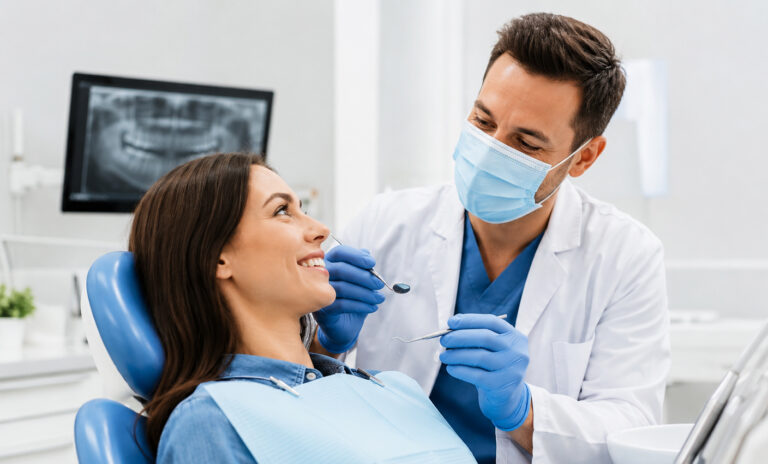
You can update your smile in Tehachapi with tailored cosmetic and restorative treatments that match your goals, timeline, and budget. Local dentists combine veneers, whitening, bonding, implants, and orthodontic options to create natural-looking, long-lasting results that suit your face and lifestyle.
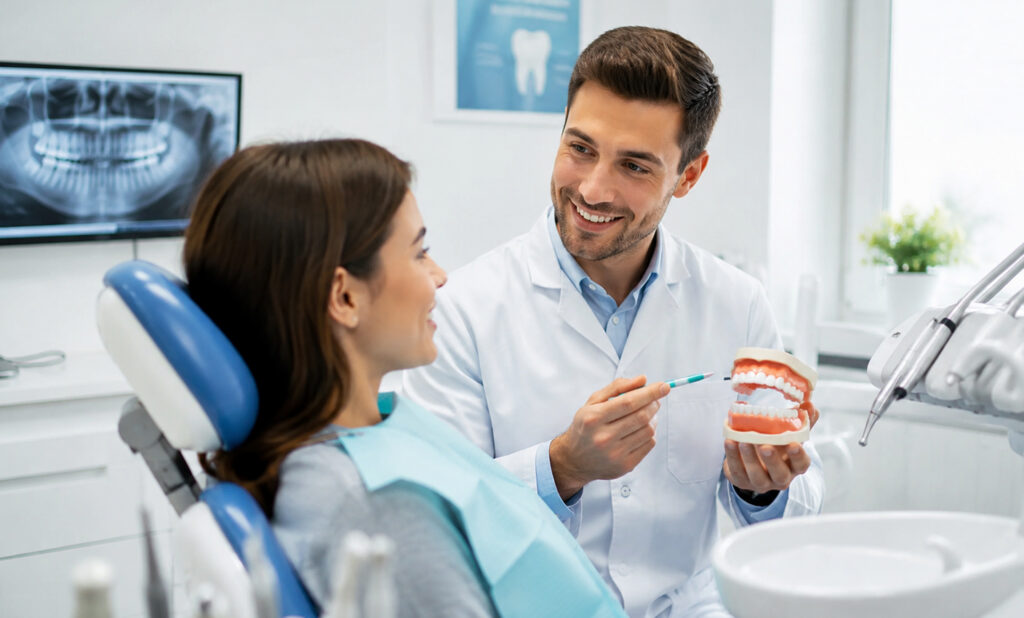
They explain each procedure in plain language, show before-and-after examples, and map out a step-by-step plan so you know what to expect from consultation to final touch-ups. Expect a focus on comfort, modern techniques, and preventive care so your new smile looks great and stays healthy.
A friendly neighborhood dental team in Tehachapi will help you weigh quick fixes versus full transformations, discuss costs and recovery, and recommend the best follow-up care for lasting results. Ask about financing, technology used, and patient experiences to decide when to schedule your consultation.
Patients can expect a clear plan that addresses tooth color, shape, alignment, and gum health. Options range from quick in-office treatments to multi-visit restorative work, each chosen to match the patient’s goals, budget, and oral health.
A smile makeover combines cosmetic and restorative dentistry to improve how teeth and gums look and function. Typical components include professional whitening, porcelain veneers, composite bonding, orthodontics (clear aligners or braces), crown lengthening, and dental crowns or implants for missing teeth.
Dentists start with a full exam, digital photos, and often digital smile design software to preview results. This allows predictable changes to tooth proportion, alignment, and shade while maintaining bite function. Risk factors like gum disease or bruxism get treated first to protect long-term outcomes.
The treatment plan depends on the patient’s oral health, facial proportions, lifestyle, and timeline. For example, a patient seeking faster results might choose whitening and veneers, while someone with bite issues may need orthodontics followed by restorative work.
Clinicians discuss materials (porcelain vs. composite), tooth preparation, and maintenance requirements. They also provide cost estimates and phased approaches so patients can prioritize changes, such as fixing function first, then aesthetics.
Smile makeovers improve chewing efficiency, speech, and the longevity of teeth when bite problems are corrected. Replacing missing teeth with implants preserves jawbone and prevents shifting of adjacent teeth.
Improved oral health often follows because patients become more motivated to maintain hygiene after investment in their smile. Many report increased confidence and social ease, which can positively affect work and personal relationships.
Patients can choose targeted options that brighten, reshape, or repair teeth with minimal downtime. Each treatment balances aesthetics, durability, and comfort so readers can match results to lifestyle and budget.
Tehachapi dental offices offer both in-office and take-home whitening systems tailored to tooth sensitivity and stain type. In-office whitening uses a professional-strength peroxide gel plus LED light for noticeable results in one visit, often lightening teeth by several shades while the hygienist monitors comfort and gum protection.
Take-home kits provide custom-fitted trays and a lower-strength gel for gradual whitening over one to two weeks. These are convenient for touch-ups after an initial in-office session or when patients prefer at-home timing. Providers screen for restorations—crowns and veneers won’t whiten—so they recommend replacing or matching restorations after whitening for uniform color.
Dentists in Tehachapi also advise on reducing staining habits and using desensitizing agents if needed. They typically perform an exam and cleaning first to ensure whitening is safe and effective for each patient’s enamel and oral health.
Porcelain veneers in Tehachapi correct chips, gaps, severe discoloration, and minor misalignment with a conservative tooth-preparation approach. Veneers are thin ceramic shells bonded to the front surface of teeth; they mimic light reflection and translucency for a lifelike result that resists staining better than natural enamel.
The process usually requires two to three visits: consultation and digital planning or mock-up, minimal enamel shaping and impression, then final bonding when the lab-made veneers arrive. Contemporary labs match shade and contour to facial features and bite, so results look natural and function comfortably.
Veneers last 10–15 years with good oral hygiene and routine dental checkups. Tehachapi dentists discuss alternatives—such as crowns or orthodontics—if structural damage or bite issues would compromise veneer longevity.
Dental bonding uses tooth-colored composite resin to repair chips, close small gaps, or reshape teeth in a single visit. The dentist roughens the tooth surface, applies an adhesive, sculpts the resin, then hardens it with a curing light to produce an instant cosmetic fix without lab work.
Bonding suits front teeth and small corrections where preservation of natural tooth structure matters. It costs less than veneers but is more prone to staining and may require periodic touch-ups or replacement after several years, depending on diet and oral habits.
Clinicians assess bite, enamel condition, and patient expectations before recommending bonding. They often combine bonding with whitening or minor contouring to deliver balanced, comfortable results that fit the patient’s smile goals.
Restorative care repairs damage and restores function while aiming for natural appearance and long-term comfort. Treatments prioritize tooth preservation, matching adjacent teeth, and minimizing visits when possible.
Tooth-colored (composite) fillings replace decay with a resin that bonds to enamel and dentin. The dentist removes decay, etches the tooth surface, and places the composite in layers, curing each layer with a blue light. This layering technique strengthens the repair and reduces shrinkage that can cause gaps.
Composites match shade and translucency, making them ideal for visible front teeth and small-to-medium posterior repairs. They require less removal of healthy tooth structure than amalgam, preserving strength. Composites can be sensitive to moisture during placement, so isolation with a rubber dam or cotton rolls is often used to ensure a reliable bond.
Typical lifespan ranges from 5–10 years depending on bite forces, oral hygiene, and bruxism. Maintenance includes routine exams, flossing, and avoiding prolonged contact with very hard foods. For larger defects, a clinician may recommend an onlay or crown instead.
Dental crowns cap a damaged or weakened tooth to restore shape, strength, and appearance. The tooth is reduced to create space, an impression or digital scan is taken, and a crown is fabricated from porcelain, zirconia, or porcelain-fused-to-metal. The final crown is cemented, providing full coverage and protection against fracture.
Bridges replace one or more missing teeth by anchoring artificial teeth (pontics) to crowns on adjacent natural teeth or implants. Traditional bridges require preparing abutment teeth; implant-supported bridges preserve neighboring teeth but need sufficient bone and surgical placement. Material choice balances strength and esthetics: zirconia and layered porcelain offer life-like results.
Crowns and bridges typically last 10–15 years or longer with good care. Patients should maintain daily cleaning beneath bridge pontics with floss threaders or interdental brushes and attend regular recall visits to monitor margins and bite.
These treatments address both alignment and missing-tooth concerns that simple whitening or veneers cannot. They restore function, support facial structure, and create long-term stability using tooth movement or anchored replacements.
Clear aligners move teeth with a series of custom, removable trays, while fixed orthodontics uses brackets and wires for more complex movements. Treatment planning starts with digital scans and X-rays to map tooth position, identify bite issues, and predict final results. Typical clear-aligner cases in Tehachapi range from minor crowding corrected in 4–6 months to full-bite correction taking 12–24 months. Patients appreciate the near-invisibility and ability to eat normally; compliance requires wearing trays 20–22 hours per day. Orthodontics may better address severe rotations, vertical discrepancies, or big jaw relationships; specialists often coordinate with restorative dentists when implants or veneers follow alignment. Follow-up includes retention with a bonded or removable retainer to prevent relapse and occasional refinements using additional aligner sets.
Dental implants replace missing tooth roots with titanium posts fused to bone, then receive crowns, bridges, or dentures for a natural, durable result. The process usually involves an initial consultation, CT imaging to evaluate bone quantity, surgical placement of the implant, a healing period of 3–6 months for osseointegration, and final restoration fabrication. Implant-supported crowns preserve neighboring teeth and chewing force better than traditional bridges; implant-retained dentures improve stability and speech for full-arch cases. Bone grafting or sinus lifts may be necessary when bone volume is insufficient; Tehachapi practices commonly use guided surgery and local anesthesia or sedation for comfort. Long-term success depends on plaque control, regular recall visits, and avoiding smoking.
Patients should weigh their dental health, cosmetic goals, budget, timeline, and maintenance needs when picking a smile makeover. Practical factors like existing restorations, gum health, and daily habits often determine which treatments will succeed long-term.
A thorough evaluation includes clinical exam, radiographs, and photos to document tooth condition, bite, and gum levels. They’ll note cavities, existing crowns, wear patterns, tooth alignment, and gum recession to see which options are predictable.
Patients should define cosmetic priorities: whiter teeth, gap closure, shorter treatment time, or fully restoring missing teeth. For example, veneers suit primarily cosmetic color and shape changes, while orthodontics or clear aligners address alignment and bite issues that affect function.
Budget and longevity matter. Composite bonding costs less upfront but may need touch-ups; porcelain veneers and implants cost more but last longer when maintained. Lifestyle factors — smoking, grinding, or high-sugar diets — influence material choice and prognosis.
During consultation, the dentist reviews findings and presents tailored options with pros, cons, timelines, and costs. Digital smile design or mock-ups often show expected results using photos and software so patients can visualize changes before treatment begins.
Treatment planning sequences clinical steps: any necessary restorative work or periodontal therapy first, then alignment or whitening, followed by final restorations like veneers, crowns, or implants. They’ll also discuss anesthesia, temporary restorations, and follow-up schedule.
Patients receive written estimates and maintenance advice, including night guards for grinders, oral hygiene routines, and frequency of professional cleanings. This helps set realistic expectations and supports long-term success.
Maintaining a transformed smile requires daily habits and periodic professional care. Focus on consistent cleaning, protection from damage, and keeping dental visits scheduled to preserve aesthetics and function.
They should brush twice daily with a soft-bristle brush and a non-abrasive toothpaste to protect veneers, crowns, or bonding. Use gentle circular motions and spend two minutes, paying close attention to the gum line where plaque builds up most.
Floss or use interdental brushes once daily to remove food and plaque between teeth and around restorations. For tight spaces, a waxed floss or threader helps avoid snagging on crowns or bridges.
Rinse with an alcohol-free antiseptic mouthwash if recommended; it reduces bacteria without drying oral tissues. Avoid staining agents for at least 48 hours after whitening — and thereafter limit coffee, red wine, and tobacco to keep porcelain and composite shades stable.
Use a nightguard if clenching or grinding is present; this prevents chips and wear on veneers and crowns. Replace toothbrushes every three months or sooner if bristles fray.
Schedule professional cleanings and exams every six months, or as the dentist prescribes after evaluating restorative work. Hygienists can remove tartar that at-home care misses and check margins of crowns, implants, and veneers for early problems.
Ask about periodic polishing or touch-ups for composite bonding and staining on natural enamel; these procedures are minimally invasive and extend the life of cosmetic work. For teeth-whitening maintenance, use dentist-prescribed take-home trays or in-office boosters to keep shade consistent.
Avoid using teeth as tools to open packages, and steer clear of very hard foods like unpitted nuts or ice that can fracture porcelain. For implant restorations, maintain meticulous flossing and consider specialized floss or water flossers to clean under prosthetic bridges.
If any sensitivity, looseness, or color change appears, contact the dental office promptly to address problems while they remain simple to fix. They will tailor recall intervals and protective strategies to the specific restorations and the patient’s bite patterns.
Local knowledge helps match treatments to Tehachapi residents’ needs and lifestyle. It ensures realistic timelines, insurance familiarity, and care tuned to mountain-climate effects like enamel sensitivity from dry air.
Tehachapi dentists often train in cosmetic procedures such as porcelain veneers, bonding, Invisalign, and implant-retained crowns. They balance aesthetic goals with oral health by evaluating bite alignment, gum health, and existing restorations before recommending changes.
Patients benefit when clinicians use local lab partners for same-region shade matching and quicker turnaround on custom restorations. Many practices maintain before-and-after portfolios and offer in-office consultations with digital smile previews, so patients see projected results before treatment begins.
Insurance coordinators in these offices understand common California PPOs and Medi-Cal limitations, which helps set realistic cost expectations. Follow-up care and minor adjustments remain simple because the provider is nearby, reducing travel and time off work.
Tehachapi practices often emphasize patient comfort and long-term relationships. Staff know local demographics and can recommend conservative approaches—like whitening or minimal-prep veneers—when appropriate, rather than defaulting to extensive procedures.
Clinics typically coordinate with local hygienists and specialists, such as periodontists in Bakersfield, for complex cases. That network speeds referrals and ensures continuity of care across preventive, restorative, and cosmetic services.
Many dentists offer flexible scheduling for school and farm workers and provide clear written estimates and treatment timelines. This practical, community-focused planning helps patients make confident decisions about their smile makeovers.
Patients in Tehachapi often feel unsure about where to begin, and a friendly consultation clears the path. They meet with a dentist who listens, reviews goals, and outlines realistic options tailored to their smile and budget.
A typical first visit includes a brief exam, photos, and discussion of cosmetic and restorative choices. These may range from whitening and bonding to veneers, crowns, or implants — each option explained in plain terms.
Costs and timelines vary, so the dentist provides an individualized plan with estimated fees and stages. Financing and phased treatment are often available to make improvements manageable.
Patients who value preventive care receive guidance on maintenance to protect results. Simple habits and follow-up visits extend the life of restorations and keep natural teeth healthy.
Helpful checklist before a consultation:
They should feel encouraged to ask about comfort measures, materials, and recovery expectations. Scheduling a consultation starts a collaborative process toward a smile that looks natural and feels comfortable.
This section answers specific choices, costs, durability, and provider selection for smile makeovers in Tehachapi, CA. It focuses on common treatments, realistic budgets, pros and cons of restorative options, longevity of veneers, tooth-replacement choices, and questions to ask a local cosmetic dentist.
Common cosmetic treatments include teeth whitening, porcelain veneers, composite bonding, orthodontics (clear aligners), crowns, and gum contouring. A dentist evaluates tooth shape, color, alignment, bite, and oral health to recommend the best combination.
Teeth whitening suits patients with overall discoloration and healthy enamel. Veneers and bonding address shape and surface flaws; orthodontics corrects alignment; crowns restore heavily damaged teeth; gum contouring fixes uneven gum lines.
Costs vary: in-office whitening often ranges from $300–$700, composite bonding $200–$800 per tooth, porcelain veneers $900–$2,500 per tooth, crowns $800–$2,000, and clear aligners $2,000–$6,000. Dental implants for single teeth commonly cost $3,000–$6,000 or more including abutment and crown.
Budget-friendly starts include professional whitening, treating a few visible teeth with bonding, or phased treatment plans spread over months. Ask the practice about payment plans, CareCredit, or dental membership plans to reduce upfront cost.
Composite bonding repairs small chips and reshapes teeth in one visit with lower cost; it stains more easily and typically lasts 5–7 years. Porcelain veneers provide superior stain resistance and a natural look, but require enamel removal and cost more; they last 10–15 years or longer with care.
Crowns fully cover teeth that are structurally compromised, offering strength and longevity; they require more tooth reduction and may cost more than bonding but less than multiple veneers in some cases. The dentist will recommend based on remaining tooth structure, bite forces, and aesthetic goals.
Porcelain veneers typically last 10–15 years with good oral hygiene and routine dental care. Expect occasional maintenance like replacing a single veneer if it chips or the adjacent gumline changes over time.
Regular checkups, nightly protection if the patient grinds teeth, and avoiding biting very hard objects help extend veneer life. The dentist can evaluate veneers during every recall visit and plan conservative repairs or replacements as needed.
Dental implants replace a single tooth root with a titanium post and a crown; they offer the most natural function and preserve bone but require surgery and longer healing. Fixed bridges attach to adjacent teeth and restore appearance quickly but require trimming healthy teeth and do not prevent bone loss at the extraction site.
Removable partial dentures are the lowest-cost option for several missing teeth and are non-invasive, though they may feel bulkier and require daily removal for cleaning. Compare options by considering comfort, chewing ability, long-term bone preservation, treatment time, and budget.
Look for dentists with specific cosmetic training, before-and-after photos, patient reviews, and memberships in recognized dental organizations. Confirm the practice offers digital smile design, sedation options if anxious, and detailed treatment plans with cost breakdowns.
Ask about the dentist’s experience with the proposed procedure, how they handle sensitivity and anesthesia, expected timeline, longevity and maintenance, financing options, and whether they provide a trial smile or mock-up before irreversible work. Schedule a consultation to evaluate communication style and comfort level before committing.