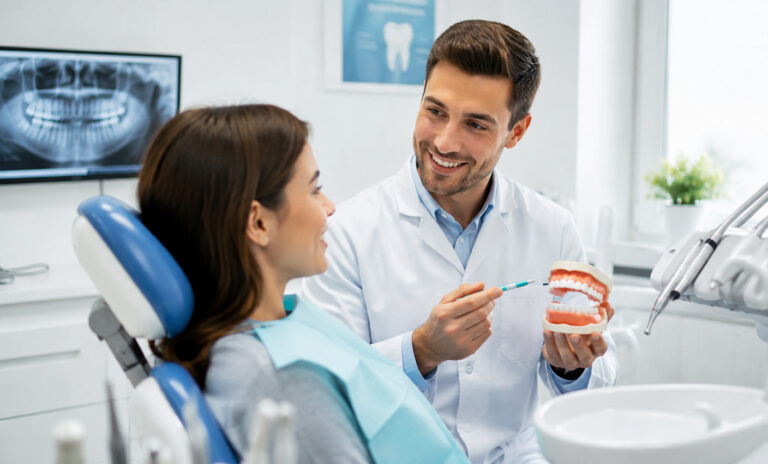
Dental implants in Tehachapi, CA offer a reliable way to replace missing teeth with a natural look and feel. They provide a long-lasting solution that supports both oral health and confidence by acting like real tooth roots. Many patients choose implants because they help maintain jawbone strength and prevent the shifting of surrounding teeth.
Choosing dental implants is a step toward restoring a full, comfortable smile. Local dentists in Tehachapi use advanced technology to ensure the process is smooth and tailored to each patient’s needs, focusing on comfort and successful outcomes. Understanding what dental implants involve can help anyone considering this option feel more at ease and informed.
If missing teeth affect daily life or self-esteem, exploring dental implants could be a good option. Talking with a local expert can clarify questions and help create a personalized plan for the healthiest, most natural smile possible.
Dental implants offer a reliable way to replace missing teeth by mimicking natural tooth roots. They support both chewing function and the look of a real tooth, blending durability with a natural appearance. Different types of implants are available to suit individual needs and oral conditions.
Dental implants are small titanium posts surgically placed into the jawbone. They act as artificial tooth roots, creating a strong anchor for replacement teeth like crowns, bridges, or dentures.
The biocompatible material fuses with the bone through a process called osseointegration, ensuring stability and preventing bone loss. This integration helps maintain oral structure and prevents shifting of adjacent teeth.
Implants are designed to last many years, often a lifetime, with good care. They provide a permanent alternative to removable dentures, improving comfort and confidence.
Implants restore the ability to bite and chew with nearly normal force, allowing patients to enjoy a wide variety of foods without worry. Unlike removable dentures, implants do not slip or cause soreness during eating.
Visually, implants support lifelike crowns that match the color and shape of natural teeth. This helps maintain facial structure and a natural smile, avoiding the sunken look often caused by tooth loss.
By preserving bone and soft tissue, implants prevent the face from changing shape over time. This benefit supports oral health as well as a patient’s self-esteem.
There are several types of dental implants, including:
Each type has unique benefits depending on a patient’s bone density, oral health, and treatment goals. A dental specialist evaluates these factors to recommend the most effective option.
Finding the right candidate for dental implants involves several key factors. These include the condition of the gums and teeth, the quality and quantity of jawbone, and daily habits that affect oral health.
Good oral health is essential before getting dental implants. The gums must be free of active infection or gum disease to support the implant properly. Dentists will check for healthy tissue and may recommend treatment for any decay or periodontal issues first.
Regular oral hygiene habits also play a role. Patients who brush and floss consistently and attend routine dental appointments are more likely to maintain implant success. A thorough dental exam helps identify any problems that need addressing before implant placement.
Adequate jawbone density and volume are critical for anchoring implants firmly. If the bone is too thin or soft, implants might fail or cause complications. Dentists use imaging like X-rays or CT scans to evaluate bone health.
In cases with insufficient bone, procedures such as bone grafting can rebuild the area. This creates a stable foundation for the implant. Candidates should expect some healing time after grafting, which can add months to treatment but improves the chances for long-term success.
Certain lifestyle factors impact implant candidacy. Smoking reduces blood flow and slows healing, increasing the risk of implant failure. Dentists often advise quitting before and after surgery.
Chronic conditions like diabetes need careful management because they affect healing and infection control. Patients who are committed to following care instructions and maintaining a healthy lifestyle generally see better results with implants. Regular communication with the dental team helps address any concerns early on.
Dental implant treatment involves careful planning, precise surgery, and a healing period to ensure a strong, lasting result. The process is tailored to each patient’s needs, prioritizing comfort and long-term oral health.
The first step is a thorough evaluation. This includes X-rays or 3D scans to assess bone density and the overall health of the jaw. The dentist discusses your dental history, medical conditions, and expectations to create a personalized treatment plan.
During this visit, patients learn about implant options, timeline, and costs. The dentist also checks for gum disease or infections that need treatment before implants. Clear communication helps set realistic goals and prepares the patient for the coming phases.
The surgical phase usually starts with placing the titanium implant into the jawbone. This is done under local anesthesia to keep the patient comfortable. Sometimes sedation is offered for those feeling anxious.
Precision is key to ensure the implant is stable and correctly positioned. The implant acts as a root substitute, which will later support the artificial tooth. Minor swelling or discomfort is common but manageable with pain relief and ice packs.
After surgery, the implant needs time to fuse with the bone in a process called osseointegration. This typically takes 3 to 6 months. During this phase, avoiding pressure on the implant site is important to support healing.
Follow-up visits monitor progress and ensure no complications like infection occur. Once the implant is fully integrated, a custom crown or prosthetic tooth is attached. This final step restores function and appearance, blending seamlessly with natural teeth.
Getting dental implants nearby means easier appointments, personalized attention, and a smoother overall experience. Patients also enjoy support from providers who understand the community’s unique dental needs.
Local dentists in Tehachapi offer care tailored to each patient’s lifestyle and oral health history. They take the time to explain all steps of the implant process clearly, making sure patients feel comfortable and informed.
Because they see patients regularly, these providers can monitor healing closely and adjust treatment plans quickly if needed. This ongoing relationship helps prevent complications and keeps the implant on track for long-term success.
Choosing a Tehachapi implant specialist means appointments are closer to home, reducing travel time and stress. Follow-up visits, including cleanings and adjustments, are easy to schedule when the office is just minutes away.
This continuity allows the dentist to manage all stages of implant care, from initial consultation to maintenance. Consistent care under one roof helps maintain implant health and gives patients peace of mind.
When patients choose a local dental office, they help sustain Tehachapi’s healthcare system. This support encourages providers to invest in the latest technology and training.
A thriving local dental practice means more resources for education and outreach, which benefits the entire community. Choosing local implants strengthens both individual smiles and community wellness.
Patients in Tehachapi, CA, can expect a focus on comfort and safety that starts the moment they enter the dental office. From the methods used during treatment to creating a calm, supportive atmosphere, everything is designed to ease the experience.
The dental team uses modern, gentle techniques to minimize discomfort during implant procedures. Local anesthesia is standard to numb the area thoroughly, ensuring patients feel little to no pain. For extra comfort, sedation options like nitrous oxide or oral sedatives may be offered, especially for those with dental anxiety.
The implant process itself is done with precision, using tools that reduce tissue trauma and speed healing. This careful approach helps patients recover faster and feel more comfortable both during and after treatment.
Tehachapi dental offices prioritize a welcoming atmosphere that puts patients first. Reception areas and treatment rooms are designed to be relaxing and clean. Staff members take time to explain each step of the process and listen to questions, making sure everyone feels informed.
Safety is also a top priority. Clinics follow strict sterilization protocols to prevent infection and use up-to-date technology for accurate diagnosis and treatment planning. This attention to detail helps patients feel secure and cared for throughout their visit.
Understanding that many patients feel anxious about dental procedures, the team actively works to reduce stress. They encourage open communication about fears and tailor care to each individual’s comfort level. Techniques such as guided breathing exercises or distractions like music can help during appointments.
Educating patients about what to expect lowers fear of the unknown. The dental experts explain the implant process clearly, answering questions patiently. This openness helps build trust and makes visits less intimidating for everyone.
Maintaining dental implants involves consistent cleaning habits, scheduled professional checkups, and knowing how to address potential issues early. These key practices help protect the investment in your smile and support natural function for years.
Dental implants require daily care similar to natural teeth but with some special attention. Patients should brush twice a day using a soft-bristle toothbrush and non-abrasive toothpaste to avoid damaging the implant surface.
Flossing or using interdental brushes around the implant is vital to remove plaque buildup in tight spots. Water flossers can be an effective alternative for reaching difficult areas without irritation.
Avoid hard or sticky foods that might loosen the implant crown or put undue pressure on the implant itself. Rinsing with an antimicrobial mouthwash can reduce harmful bacteria and support gum health around the implant.
Regular dental checkups are crucial after getting implants. Typically, visits should occur every six months, or more often if recommended by the dentist, to monitor the implant’s integration and surrounding tissues.
During these appointments, professionals check for signs of infection, bone loss, or mechanical issues like loosening of the implant crown. X-rays may be used to assess bone levels and ensure the implant remains secure.
Timely follow-ups help catch problems early, preventing complications that could threaten implant stability. Patients should communicate any unusual sensations or discomfort to their dentist without delay.
While rare, implant complications can occur and need prompt care. Common issues include peri-implantitis, which is an inflammation of the gum and bone around the implant caused by bacterial infection.
Symptoms like redness, swelling, bleeding, or pain should be evaluated immediately. Treatment may involve deep cleaning, antibiotics, or in some cases, surgical intervention to preserve the implant.
Mechanical problems such as loose screws or broken crowns also require dental attention. Addressing these issues quickly minimizes damage and maintains implant function.
If patients notice any persistent discomfort or changes around their dental implant, scheduling a consultation with their dentist in Tehachapi is an important step.
Understanding how dental implants stack up against bridges and dentures can help patients in Tehachapi make informed choices. Both alternatives have pros and cons that affect comfort, durability, and maintenance.
Dental bridges fill gaps by anchoring a false tooth to adjacent natural teeth. This method is quicker and usually less expensive upfront than implants. However, bridges require grinding down healthy teeth, which can weaken them over time.
Implants, by contrast, are standalone replacements that fuse directly to the jawbone. They protect nearby teeth and help preserve bone structure. While implants involve surgery and a longer healing process, their longevity often exceeds that of bridges.
Patients valuing a permanent solution with minimal impact on other teeth may prefer implants. Bridges remain a reliable choice for those needing faster, less invasive restoration.
Dentures are removable devices that replace several missing teeth. They are typically the most affordable option and can be made quickly. However, they may slip, cause discomfort, and require regular adjustments or replacements.
Implants offer fixed support that feels and functions like natural teeth. They eliminate issues like slipping and improve chewing efficiency. Implant-supported dentures provide a hybrid option that combines stability with easier maintenance.
For patients prioritizing natural feel and stable chewing, implants are a better long-term investment. Dentures suit those seeking cost-effective, non-surgical solutions, especially when multiple teeth are missing.
Understanding the financial aspects of dental implants in Tehachapi, CA, helps patients plan effectively. Costs vary based on individual needs and treatment details. Insurance coverage and payment plans also play a key role in managing expenses.
Dental implant prices depend on several important elements. The number of implants needed, the type of implant used, and the complexity of the procedure all influence cost. For example, a single tooth implant typically costs less than multiple implants or full-mouth restorations.
Additional procedures, like bone grafts or sinus lifts, may increase the total price. The experience and location of the dental practice also affect fees in Tehachapi. Patients should expect to pay for the implant surgery, the abutment, and the crown separately.
Here is a basic breakdown of typical costs:
Most dental insurance plans have limited coverage for implants. Some may cover related procedures like extractions or consultations but rarely cover the implant itself. It’s important to check with your provider before starting treatment.
Many dental offices in Tehachapi offer flexible payment plans or financing through third-party lenders. This can make implants more affordable by spreading the cost over several months. Some practices also accept CareCredit, a popular healthcare credit card.
Patients are encouraged to ask the dental team about available discounts or bundled pricing. Clear communication on financial options reduces stress and helps patients feel confident in their treatment decisions.
If someone is considering dental implants in Tehachapi, the first step is usually a consultation with a trusted local dentist. During this visit, the dentist evaluates oral health, discusses options, and answers any questions to set clear expectations.
Next, they might take X-rays or 3D scans to assess bone structure. This helps ensure the implant will fit securely and last long. If bone loss is present, additional procedures like grafting may be recommended.
Once a treatment plan is ready, the implant surgery is scheduled. It typically involves placing the titanium post into the jawbone, followed by a healing period that allows the bone to grow around the implant. This process usually takes a few months.
After healing, the dentist attaches a custom-made crown to the implant. This crown matches natural teeth in shape and color, restoring both function and appearance.
Important tips to prepare for implants include:
Patients are encouraged to ask questions about any step of the process. Each person’s case is unique, and modern dental care focuses on comfort and individual needs. Reaching out to a Tehachapi dental office can be the best way to start the journey toward a healthier, confident smile.
Many patients want to know how dental implants function, whether they’re good candidates after long-term tooth loss, and what the treatment involves. Costs, comfort, and potential benefits like improved bite are also common concerns.
Dental implants are small titanium posts surgically placed into the jawbone. They act like tooth roots, providing a strong, stable foundation for replacement teeth.
Because implants fuse with the bone through a process called osseointegration, they feel secure and natural. This stability helps patients chew and speak with confidence, similar to natural teeth.
Long-term tooth loss can cause bone loss, which might make implants more challenging. However, many patients can still qualify after bone grafting or other preparatory procedures.
A thorough evaluation by a dentist is essential to determine if the jawbone is healthy enough to support implants. Good overall health and oral hygiene also play important roles.
The process usually begins with a consultation and imaging to plan implant placement. Surgery to place the implants generally takes one to two hours per implant.
After placement, there’s a healing period of three to six months for the implants to fuse with the bone. Once healed, an abutment and crown are attached to complete the restoration.
A full set can range widely, often between $20,000 and $50,000 or more. Factors include the number of implants, need for bone grafts, type of restoration, and geographic location.
Insurance coverage varies, so discussing financing options with the dental office can help patients plan accordingly.
Yes, dental implants can restore proper bite alignment by replacing missing teeth, which supports surrounding teeth and jaw function.
Correcting a bite can improve chewing efficiency and reduce wear on other teeth. Sometimes, implant placement is combined with orthodontic or restorative treatments for best results.
Most patients experience mild discomfort after surgery, which can be managed with over-the-counter pain relievers. Swelling and minor bleeding are common but subside quickly.
Dentists provide detailed aftercare instructions to promote healing and minimize complications. Follow-up visits ensure the area is healing properly and the implants are integrating well.