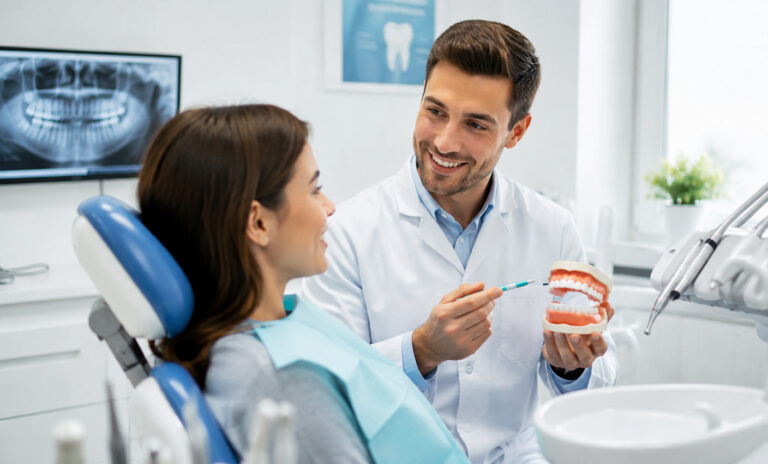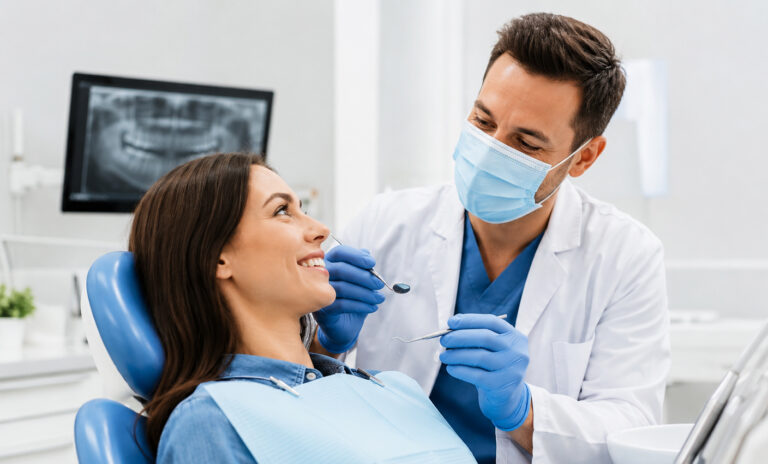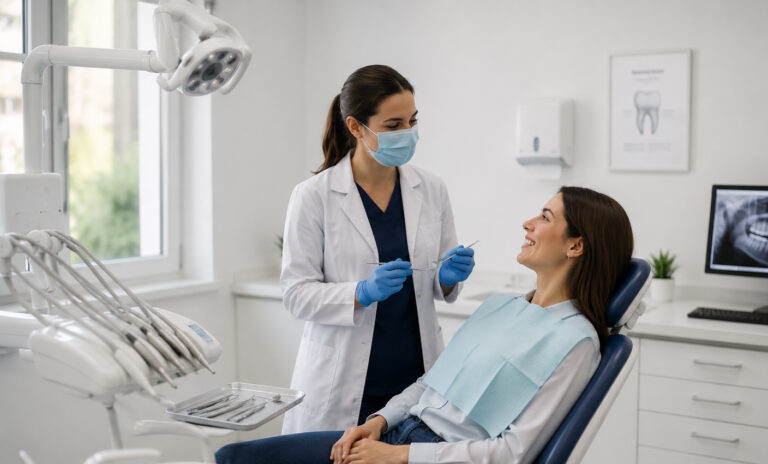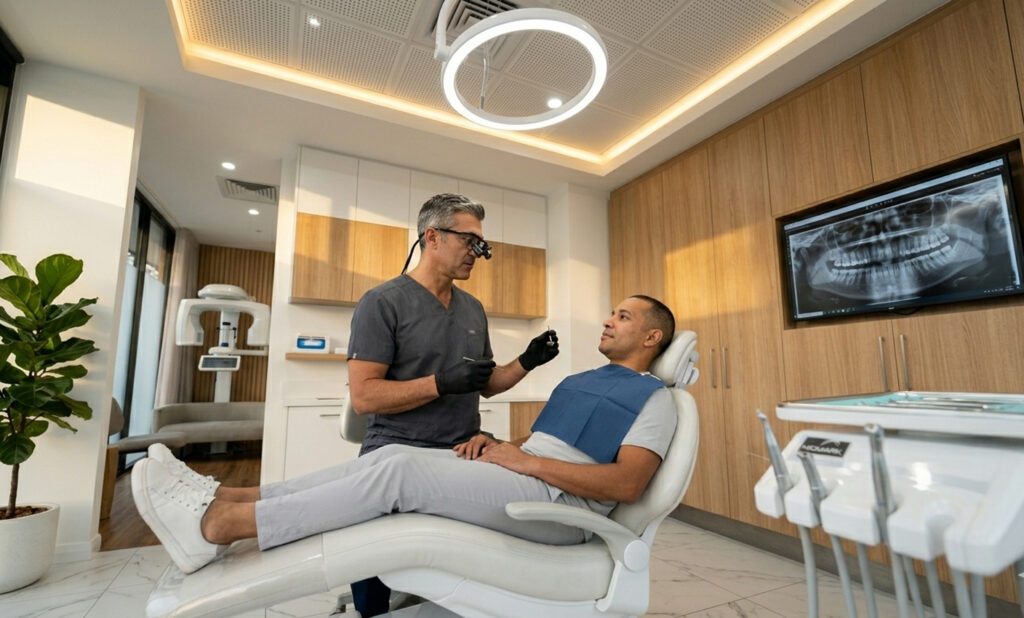
You want a family dentist in Tehachapi, CA who treats every age with skill, patience, and modern care. Find a dentist who offers comprehensive services, gentle pediatric care, and clear preventive guidance so your whole family stays healthy and confident.
They explain options in plain language, use up-to-date technology, and create a welcoming experience that eases anxiety for kids and adults alike. Expect focus on prevention, convenient payment choices, and a team that connects with the local community to make consistent dental care simple.
Choosing a family dentist means balancing experience, comfort, and convenience so every member—from toddlers to grandparents—gets consistent, effective care. Look for practical features like flexible scheduling, in-office pediatric expertise, clear pricing, and straightforward communication.
A strong family practice offers comprehensive services under one roof: routine cleanings, fluoride and sealants, pediatric exams, fillings, crowns, and emergency care. Verify that the dentist and staff hold current California licenses and certifications; many offices display credentials and continuing education certificates in the reception area or on their website.
Check technology and infection control. Digital X-rays, intraoral cameras, and electronic health records improve diagnosis and reduce radiation. Ask about sterilization protocols and COVID-era air filtration; these are practical safety measures, not just talking points.
Confirm scheduling and billing policies. Look for evening or weekend hours, online booking, and acceptance of major insurers plus clear estimates for common procedures. Transparent pricing and a patient coordinator reduce surprises and make care easier to access.
A child-friendly office designs visits to reduce fear and build trust. Seek practices that use behavior guidance techniques—tell-show-do, positive reinforcement, and short familiarization visits—to introduce children to dental care gradually. Staff trained in pediatric CPR and child behavior management is a key safety and comfort indicator.
Observe the waiting room and operatory setup. Kid-focused reading materials, toys, and smaller dental tools show attention to pediatric needs. Ask if the office offers nitrous oxide or topical anesthetics for anxious children and whether the dentist works closely with pediatric specialists for complex cases.
Read parent reviews and request a brief tour before booking the first appointment. Reviews often highlight how staff handle tears, first visits, and follow-up care. A single orientation visit to meet the dentist and team can make subsequent appointments calmer and more productive.
Long-term dental relationships start with trust, clear goals, and proactive prevention plans. A family dentist should create a personalized schedule for cleanings, X-rays, and age-based treatments—such as sealants for school-age children and periodontal monitoring for adults—to prevent problems rather than just treat them.
Communication matters. The ideal office explains findings in plain language, shows images from intraoral cameras, and provides written care plans and cost estimates. Regular recall reminders by text or email and easy rebooking help families stay on track.
Continuity of care reduces surprises in medical history and treatment planning. When the same dentist follows a family over years, they spot trends early, coordinate care across specialists when needed, and adjust preventive strategies as children grow and adults’ needs change.
This practice provides preventive checkups, restorative care, and cosmetic treatments tailored to each family member. Patients find clear treatment plans, comfortable visits, and modern technology aimed at lasting oral health.
The office schedules routine exams and professional cleanings every six months, with adjustments based on gum health and decay risk. Hygienists perform scaling, polishing, and fluoride varnish; they document plaque build-up and check for early signs of cavities and gum disease.
Digital X-rays and intraoral cameras are used to detect issues that visual inspection can miss. The dentist reviews images with patients and recommends targeted measures such as sealants for children or prescription-strength fluoride for adults.
Oral cancer screening and bite evaluations occur during each exam. Staff teach practical home-care tips: effective brushing technique, interdental cleaning recommendations, and product suggestions for dry mouth or sensitivity.
Fillings, crowns, and onlays restore teeth damaged by decay or fracture using tooth-colored composite or ceramic materials. The practice emphasizes conservative preparations to preserve healthy tooth structure and uses digital impressions for precise-fitting restorations.
For missing teeth, they offer fixed bridges and implant-supported crowns; the team coordinates with local oral surgeons for implant placement when needed. Partial and full dentures are customized for fit and speech comfort when implants or bridges are not suitable.
Root canal therapy saves infected teeth, followed by restoration with a crown when necessary. Pediatric restorative care includes silver diamine fluoride for arresting decay and child-friendly fillings, with behavior guidance to keep visits calm.
Teeth whitening uses in-office and take-home options with dentist-supervised peroxide levels for safe, predictable results. They assess sensitivity risks and recommend desensitizing protocols when necessary.
Porcelain veneers and bonding correct chips, gaps, and discoloration, focusing on natural shape and shade matching. The cosmetic workflow includes mock-ups and digital previews so patients can see expected outcomes before treatment.
Orthodontic choices include clear aligners and traditional braces for teens and adults; the practice evaluates bite and facial balance to recommend the best approach. Cosmetic contouring and gum reshaping refine smiles with minimal invasiveness.
For next steps, patients are encouraged to call or schedule an exam to discuss personalized options and comfort preferences.
The practice focuses on reducing anxiety, controlling pain, and making each visit predictable and calm. Staff members tailor care to individual needs, use proven comfort techniques, and keep the office environment pleasant and efficient.
They begin with a pre-visit phone call or text to review medical history and any previous dental fears, which helps plan appointments that feel manageable. During check-in, staff offer clear explanations of each step, estimated time, and what sensations the patient can expect, reducing uncertainty.
For in-chair care, clinicians use topical numbing gel before injections and administer local anesthesia with slow, computer-controlled delivery systems when indicated. For higher anxiety, they provide nitrous oxide (laughing gas) with monitored oxygen levels and offer oral anxiolytics when prescribed by a physician.
Behavioral techniques are routine: signal systems let patients pause treatment, and staff use progressive communication to explain progress and next steps. Pediatric strategies include tell-show-do, rewards, and parental presence when helpful. Each anxious patient leaves with a written aftercare plan and contact info for follow-up questions.
The office features comfortable, adjustable dental chairs and noise-reducing headphones with streaming options to drown out drill sounds. Warm blankets, low-glare lighting, and private operatories reduce sensory overload and promote relaxation for all ages.
They use digital X-rays and intraoral cameras to shorten time in the chair and to show clear images on a monitor so patients understand diagnoses. Same-day crown milling and CAD/CAM restorations minimize multiple appointments and temporary crowns.
Scheduling includes online booking, confirmation texts, and built-in buffer times to avoid rushed care. Billing staff provide clear cost estimates and financing options before treatment starts, so patients can make informed decisions without pressure.
This section explains what parents can expect at a child’s first dental visits and how to build daily habits that prevent cavities and anxiety. It focuses on practical steps, office routines, and fun ways to make oral care part of family life.
A child’s first dental visit in Tehachapi typically happens around their first birthday or when the first tooth appears. The dentist performs a gentle exam of teeth, gums, and bite, checks for early decay, and reviews feeding and pacifier use with the caregiver.
Appointments last about 20–30 minutes. The team will demonstrate brushing with a soft-bristled brush, show how to clean along the gumline, and may take a gentle fluoride varnish if the child is at risk for decay.
Staff focus on comfort and desensitization. They use kid-friendly language, let the child hold instruments, and employ short, positive visits to build trust. Parents receive a written plan with timing for next visits and any recommended follow-up.
Practical items to bring: a favorite toy, recent medical/dental history, and a list of current medications. If the child has specific anxiety or special needs, calling ahead lets the office prepare behavior guidance or extended appointment time.
Parents should reinforce two-minute brushing twice daily with a pea-sized fluoride toothpaste for children ages 2–6. Caregivers usually brush or supervise until the child reliably handles a brush with proper technique, often around 7–8 years old.
Use clear, small goals and positive rewards: sticker charts, a favorite song as a two-minute timer, or reading a short story after brushing. These concrete routines help children link brushing to daily activities and reduce resistance.
Diet matters: limit juice and sugary snacks, offer water between meals, and encourage whole fruits and vegetables. If the child uses a bottle, avoid putting them to bed with liquids other than water to reduce prolonged sugar exposure.
Discuss sealants and fluoride with the dentist for added protection on molars once they erupt. The office can provide age-appropriate educational handouts and short demonstration videos to practice at home, and schedule regular checkups every six months or sooner if decay risk is higher.
Modern dental care combines precise imaging with less invasive, faster treatments to improve comfort and outcomes. Patients benefit from lower radiation exposure, quicker diagnoses, and restorative options that match tooth color and function.
Digital X-rays reduce radiation by up to 90% compared with film, while providing immediate, high-resolution images on a monitor. Dentists can enlarge, enhance, and compare images side-by-side to detect cavities between teeth, early bone loss, and the position of developing roots.
In-office intraoral cameras show close-up views of individual teeth, helping patients understand findings and treatment options. Cone beam computed tomography (CBCT) supplies 3D scans for precise implant planning, impacted tooth assessment, and airway evaluation when needed.
Digital charts and diagnostic software track progress over time, support preventative decisions, and streamline referrals to specialists. These tools shorten appointment times and increase diagnostic accuracy, which improves treatment planning and reduces unexpected procedures.
Cavity treatment now often uses tooth-colored composite resin placed with adhesive techniques that conserve more natural tooth structure. For larger restorations, CAD/CAM systems fabricate same-day ceramic crowns and onlays from digital impressions, avoiding temporaries and second visits.
Laser dentistry treats soft tissue with minimal bleeding and faster healing, and can assist in cavity preparation to reduce the need for local anesthesia in selected cases. Guided-implant surgery uses digital planning and surgical guides to position implants precisely, improving long-term stability and reducing post-op discomfort.
Orthodontic needs can be addressed with clear aligner systems designed from 3D scans, offering predictable tooth movement and removable, nearly invisible wear. Sedation options and modern sterilization protocols maintain comfort and safety for anxious or medically complex patients.
This section explains specific daily habits and visit routines that reduce cavities, protect enamel, and catch problems early. It highlights practical steps families can use at home and what to expect during regular dental visits.
They should brush twice daily with a fluoride toothpaste for two minutes, reaching all tooth surfaces and the gum line. Using a soft-bristled brush and 45-degree angle strokes helps remove plaque without damaging enamel or gums.
Daily flossing or interdental cleaning removes bacteria between teeth where brushes miss. For children, parents should floss until the child can reliably do it alone—usually around age 10.
Limit sugary snacks and sticky foods; choose water, raw vegetables, cheese, or plain yogurt as snacks. Sugary and acidic drinks should be consumed with meals and followed by water to reduce acid exposure.
Dental sealants and topical fluoride treatments provide extra protection for molars. The dentist can apply sealants to grooves and recommend fluoride varnish based on cavity risk.
Keep a small checklist at home: brush twice, floss once, limit sweets, and rinse with water after acidic foods. This simple routine reduces decay and makes dental visits shorter and less invasive.
They should schedule checkups every six months or as recommended based on risk factors like previous cavities, orthodontics, or medical conditions. Regular visits allow the team to detect early decay, gum disease, and enamel wear.
Professional cleanings remove hardened tartar that brushing cannot, lowering gum inflammation and preventing bone loss. Hygienists also polish teeth and apply fluoride when indicated.
During exams, the dentist evaluates bite, tooth development in children, and oral cancer signs. Digital X-rays, taken selectively, reveal problems between teeth and below the gumline with minimal radiation.
These visits provide tailored education—brushing technique coaching, product recommendations, and dietary guidance for each family member. Booking appointments before holidays or school sessions helps maintain consistent preventive care.
If patients notice sensitivity, persistent bleeding, or pain between visits, they should contact the office promptly to avoid larger restorations later. The practice encourages questions and will explain options for comfort and preventive treatment.
The practice builds trust through visible participation in Tehachapi life and by offering family-focused services that meet local needs. Patients find practical programs, school partnerships, and age-spanning care options tailored to community rhythms.
The clinic partners with Tehachapi Unified School District to deliver classroom dental education, fluoride rinse programs, and free oral screening days at Tehachapi High and local elementary schools. These activities emphasize cavity prevention, proper brushing for children, and early detection of orthodontic needs.
Staff volunteer at the Tehachapi Chamber events and sponsor booths at the Mountain Festival, where they provide quick oral health checks and distribute kid-friendly toothbrush kits. They also host annual “Back-to-School Smile” nights offering discounted cleanings and sealants for students to reduce barriers to care.
Parents receive clear handouts and short demo videos explaining sealants, flossing techniques for braces, and when to schedule first orthodontic consultations. The practice coordinates with school nurses to refer children who need urgent care and follows up to ensure appointments occur.
The office designs care plans for infants through seniors, balancing preventive visits with age-appropriate treatments such as infant oral exams, fluoride varnish, periodontal maintenance, and denture support. Scheduling flexibility includes family appointment blocks so parents and children can be seen in one visit.
They run memory-care friendly visits for older adults, training staff in gentle communication and simplified home-care instructions for caregivers. For busy families, the practice offers evening hours and same-week urgent appointments for tooth pain, broken restorations, or lost crowns.
Insurance navigation and a sliding-fee option help multi-generational households manage costs. Patients receive custom prevention plans that list next steps, suggested products, and clear timelines so families know what to expect and when to return.
They accept most major dental insurance plans and file claims on behalf of patients to simplify the process. Staff verifies benefits before appointments, so families know coverage and out‑of‑pocket costs ahead of time.
For patients without insurance, the office offers an in‑house savings plan that reduces preventive visit fees and provides discounts on restorative work. It works like a membership: an annual fee covers cleanings, exams, and X‑ray discounts.
Flexible payment options include major credit cards, debit, and electronic payments. Patients can also use Health Savings Accounts (HSA) or Flexible Spending Accounts (FSA) for eligible services.
When treatment costs exceed a family’s monthly budget, third‑party financing is available through reputable lenders. Plans range from short‑term interest‑free options to longer terms with low interest, subject to credit approval.
Typical payment FAQ
They encourage patients to ask questions about coverage, payment timelines, and financing during the scheduling call. Contact the front desk to review benefits, set up a payment plan, or arrange a consultation to discuss treatment and finances.
They encourage scheduling an initial visit to discuss health history, goals, and any concerns. A friendly team greets patients, explains each step, and creates a customized plan that fits family schedules and budgets.
Preventive care forms the foundation of long-term oral health. Regular cleanings, fluoride treatments, and at-home hygiene guidance reduce cavities and gum disease risk.
For restorative or cosmetic needs, the practice offers modern, minimally invasive options. They use digital imaging and conservative treatments to preserve natural tooth structure while improving function and appearance.
Patients appreciate clear explanations about insurance, financing, and treatment timelines. Transparent cost estimates and flexible appointment times help families plan care without surprises.
They prioritize comfort with calming office features and pain-minimizing techniques. For anxious patients, sedation options and patient-centered communication make visits more manageable.
Next steps are simple: call or book online to request an appointment, bring any insurance information, and list questions to discuss. The team welcomes inquiries and looks forward to helping families in Tehachapi protect and improve their smiles.
This section answers practical concerns about choosing family dental care, the first visit process, anxiety-friendly approaches, prevention between cleanings, emergency access, and modern restorative options. Each answer gives specific steps, what to expect, and sensible next actions for patients of all ages.
Look for a practice that lists pediatric, adult, and geriatric care on its website and shows team members with training or certifications in those areas. Ask about fluoride and sealant programs for children, periodontal maintenance for adults, and coordination with medical providers for older adults on blood thinners or with diabetes.
Confirm the office offers flexible scheduling, same-day urgent visits, and a clear pricing or insurance policy. Read recent patient reviews that mention comfort for children and seniors, and request a brief phone tour with the office manager to assess communication style.
Expect a medical history review, digital X-rays if needed, and a thorough oral exam including gum charting and bite evaluation. The hygienist performs a cleaning or scaling as appropriate, while the dentist reviews findings and suggests any immediate or preventive treatments.
The office typically provides a written treatment plan with costs, insurance estimates, and scheduling options. New patients should bring ID, insurance cards, and a list of current medications.
Gentle dentistry uses slower pacing, clear step-by-step explanations, and extra time for breaks to reduce stress during procedures. Offices often offer topical anesthetic, nitrous oxide, oral sedatives on request, and noise-cancelling headphones to improve comfort.
Meet-and-greet visits let anxious patients tour the operatory and meet staff without treatment, which builds trust before any procedure. Requesting the dentist use a simple signal to pause treatment empowers the patient and reduces panic.
Brush twice daily with a fluoride toothpaste and a soft-bristled brush, using 2 minutes each time. Floss once daily or use interdental brushes where gaps exist, and consider a mouthrinse with fluoride or antimicrobial agents if recommended by the dentist.
Limit sugary snacks and acidic drinks, drink water after meals, and maintain twice-yearly or personalized recall cleanings. Patients with high decay risk should discuss topical fluoride treatments and prescription-strength toothpaste.
Many family dental practices reserve same-day slots for emergencies like severe tooth pain, avulsed (knocked-out) teeth, and visible fractures. Call the office immediately; staff triage urgent calls and provide home first-aid steps such as cold compresses and advice for knocked-out tooth handling.
If the practice cannot accommodate same-day care, it should refer to an emergency clinic and forward records for continuity. Confirm whether the office accepts walk-ins, after-hours calls, or has on-call coverage.
Minor chips and cracks often get repaired with tooth-colored composite bonding or porcelain veneers for stronger, longer-lasting esthetics. Larger structural damage can require a crown; modern ceramic crowns match translucency and shade of adjacent teeth.
For missing teeth, options include single-tooth dental implants with ceramic crowns, fixed bridges, or removable partials; implants preserve bone and offer a natural feel. The dentist will recommend options based on oral health, bone volume, budget, and desired longevity, and provide a treatment timeline and cost estimate.